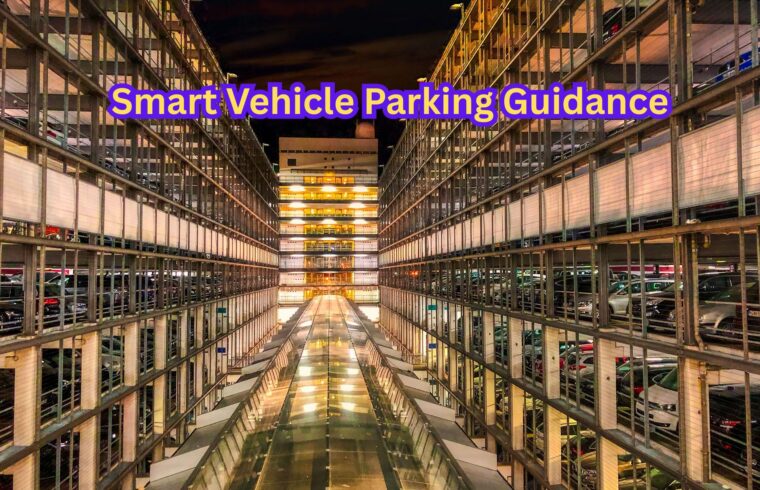
Using cutting-edge technology, Smart Vehicle Parking Guidance assists drivers in finding open parking spots fast. Smart Vehicle Parking Guidance provides real-time parking availability information by integrating sensors, cameras, and intelligent algorithms. By eliminating traffic congestion, reducing the time spent searching for parking, and enhancing the overall driving experience, Smart Vehicle Parking Guidance proves extremely effective in crowded cities and large parking lots.
How Smart Vehicle Parking Guidance Works
Smart vehicle parking systems collect data from cameras, entry-exit counters, and ground sensors installed in parking lots. The software processes this data and displays it through mobile apps or digital signboards. By giving drivers clear directions to available spaces, the system makes parking faster, simpler, and more organized, eliminating unnecessary confusion and delays.
Benefits of Smart Vehicle Parking Guidance
Among the many advantages of Smart Parking Guidance are lower fuel usage and carbon emissions because there is less circling for parking. It enhances traffic flow, reduces stress, and saves drivers time. It improves space usage, boosts customer happiness, and facilitates effective parking facility administration for parking operators.
Role of Smart Vehicle Parking in Smart Cities
Smart Vehicle Parking is essential to enhancing urban mobility in smart cities. In order to maximize vehicle circulation and lessen congestion, it interfaces with city traffic systems. It promotes sustainable mobility objectives and makes life easier and more productive for locals, commuters, and tourists alike by offering precise parking data.
Conclusion
The future of smart car parking includes linked vehicle systems, artificial intelligence integration, and electric vehicle charging management. These advances will provide personalized advice and predictive parking availability. As cities grow and traffic increases, smart parking solutions will become essential for efficient, eco-friendly, and user-focused transportation infrastructure.